Featured Community
Featured Community
Worldschooling Hub Goa
Worldschooling Hub Goa
In a quiet corner of Goa, a different kind of educational experiment is unfolding, one that feels more like a village than a school. Worldschooling Hub Goa was created for families craving something slower, deeper and more connected. Not a holiday, and not a traditional classroom, but a space where parents and children live and learn side by side. Amanda Ashworth, a homeschooling mother of three and the heart of this hub, shares the intention behind the worldschooling community she's created, and why more families are choosing to rethink how they live and learn together.
In a quiet corner of Goa, a different kind of educational experiment is unfolding, one that feels more like a village than a school. Worldschooling Hub Goa was created for families craving something slower, deeper and more connected. Not a holiday, and not a traditional classroom, but a space where parents and children live and learn side by side. Amanda Ashworth, a homeschooling mother of three and the heart of this hub, shares the intention behind the worldschooling community she's created, and why more families are choosing to rethink how they live and learn together.

What do you call what you’ve built?
We describe what we’ve built as a holistic worldschooling family retreat.
The word family is essential. This isn’t a place where children are sent one way and parents another. Everyone is part of the experience. Adults are growing, resting, working, reflecting and connecting just as much as the young people are.
The word retreat matters too, because families arrive needing space: space from pressure, routine, noise and the speed of modern life. Here, they can reset, reconnect with one another and return to what feels important.
And holistic is the thread that runs through everything. Learning happens in many forms: through conversation, nature, workshops, cultural experiences, challenges, creativity and community life. Emotional wellbeing is as important as intellectual growth. Relationships matter as much as outcomes.
There is rhythm and intention, but also flexibility. Families can lean in deeply or move at a gentler pace depending on what they need.
We sometimes use the word hub because people, ideas and opportunities flow in and out constantly, but at its heart this is a place for families to live, learn and grow together.
What we don’t resonate with is the term school or micro-school. Those words can imply structures and expectations that don’t reflect the atmosphere we’ve created. Nor is it simply a holiday. There is depth, purpose and transformation here.
What do you call what you’ve built?
We describe what we’ve built as a holistic worldschooling family retreat.
The word family is essential. This isn’t a place where children are sent one way and parents another. Everyone is part of the experience. Adults are growing, resting, working, reflecting and connecting just as much as the young people are.
The word retreat matters too, because families arrive needing space: space from pressure, routine, noise and the speed of modern life. Here, they can reset, reconnect with one another and return to what feels important.
And holistic is the thread that runs through everything. Learning happens in many forms: through conversation, nature, workshops, cultural experiences, challenges, creativity and community life. Emotional wellbeing is as important as intellectual growth. Relationships matter as much as outcomes.
There is rhythm and intention, but also flexibility. Families can lean in deeply or move at a gentler pace depending on what they need.
We sometimes use the word hub because people, ideas and opportunities flow in and out constantly, but at its heart this is a place for families to live, learn and grow together.
What we don’t resonate with is the term school or micro-school. Those words can imply structures and expectations that don’t reflect the atmosphere we’ve created. Nor is it simply a holiday. There is depth, purpose and transformation here.
Who are you, and what’s your role?
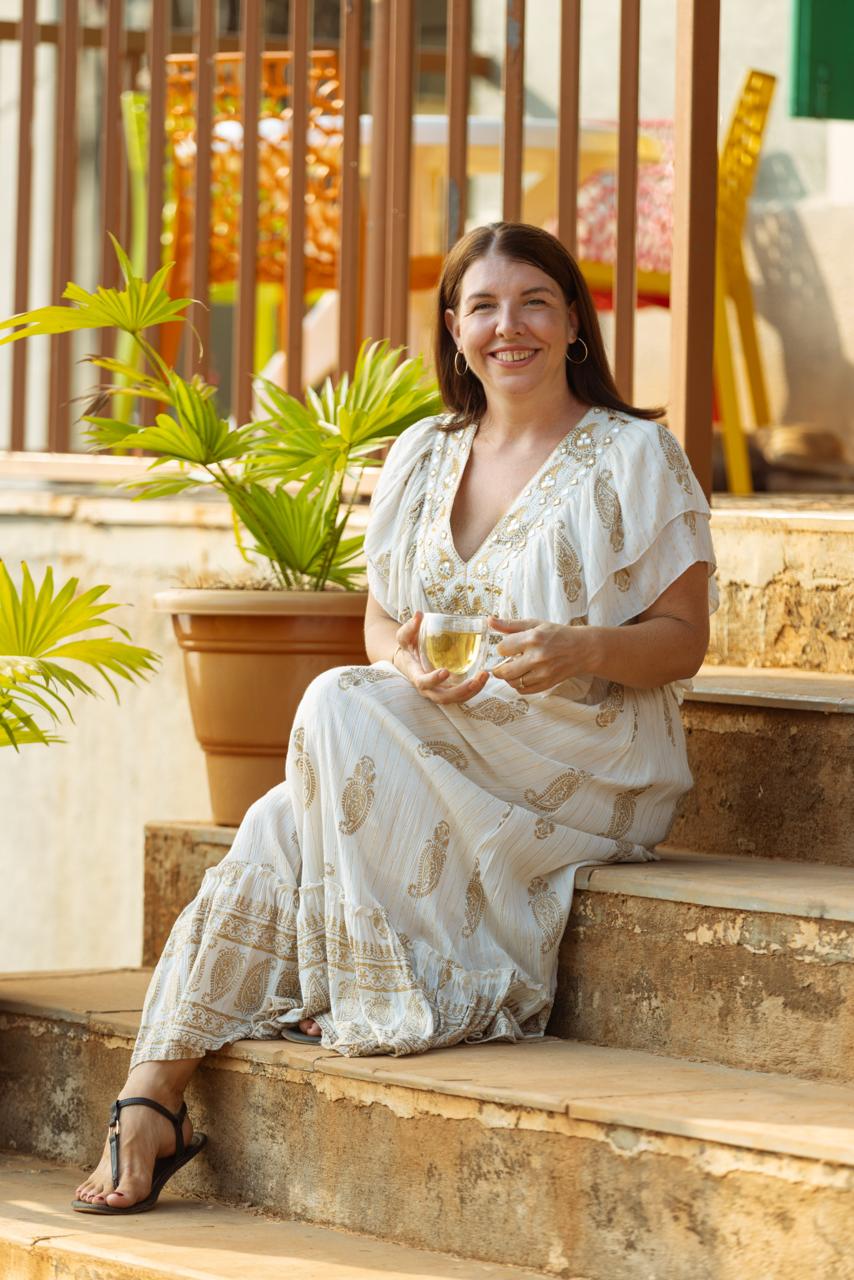
I’m Amanda Ashworth, the founder of Worldschooling Hub Goa.
I’m a mother who has homeschooled and worldschooled my three children for the past ten years. Choosing a different path for our family showed me how powerful learning can be when it is rooted in everyday life, relationships, nature, travel and community. From that experience grew the vision to create a place where other families could feel supported to explore new ways of living and learning together.
As founder, I hold the direction and spirit of the hub. I shape the programmes, bring together educators and facilitators, support our team and stay closely connected to the families who join us. I care about the big picture, but also about the small, human details that make people feel welcome and at ease.
Who are you, and what’s your role?
I’m Amanda Ashworth, the founder of Worldschooling Hub Goa.
I’m a mother who has homeschooled and worldschooled my three children for the past ten years. Choosing a different path for our family showed me how powerful learning can be when it is rooted in everyday life, relationships, nature, travel and community. From that experience grew the vision to create a place where other families could feel supported to explore new ways of living and learning together.
As founder, I hold the direction and spirit of the hub. I shape the programmes, bring together educators and facilitators, support our team and stay closely connected to the families who join us. I care about the big picture, but also about the small, human details that make people feel welcome and at ease.
Outside of the hub, I work as a life and business coach and host retreats for adults who are ready to make meaningful changes in how they live and work. That perspective deeply informs what we create here. I understand transition, reinvention and the courage it takes to step away from the expected path.
At heart, I’m a host and a connector. I create environments where people can pause, gain clarity, build confidence and imagine new possibilities for their lives.
What inspired you to create this community?
The idea grew slowly, and then all at once.
In our years of homeschooling and worldschooling, we experienced extraordinary learning in the real world, through travel, conversations, nature, culture and meeting people living life in many different ways. I watched my children grow in confidence, independence and curiosity, and I became deeply aware that education could feel very different from what many of us were shown.
But alongside the magic, there were also challenges.
Families choosing alternative paths can feel isolated. Parents carry a lot of responsibility. Children sometimes miss consistent friendships. And while freedom is beautiful, it can also feel overwhelming without community and rhythm.
I started to see how many parents were craving connection with others who understood their choices. They wanted their children to have peers. They wanted inspiration, practical support and space to breathe. They wanted to know they weren’t doing this alone.
The spark was the realisation that what we needed did not exist in one place.
A setting where families could live together for a period of time, where young people could learn in self-directed and meaningful ways, where parents could work or reflect, where wellbeing mattered, where culture and nature were part of everyday life, and where deep friendships could form.
At some point the thought shifted from “wouldn’t it be wonderful if this existed?” to “if it doesn’t exist, maybe I need to build it.”
So we did.
Worldschooling Hub Goa became a meeting point for families who want something different, not because they are rejecting the world, but because they want to participate in it more fully, more consciously and more connected to one another.
Outside of the hub, I work as a life and business coach and host retreats for adults who are ready to make meaningful changes in how they live and work. That perspective deeply informs what we create here. I understand transition, reinvention and the courage it takes to step away from the expected path.
At heart, I’m a host and a connector. I create environments where people can pause, gain clarity, build confidence and imagine new possibilities for their lives.
What inspired you to create this community?
The idea grew slowly, and then all at once.
In our years of homeschooling and worldschooling, we experienced extraordinary learning in the real world, through travel, conversations, nature, culture and meeting people living life in many different ways. I watched my children grow in confidence, independence and curiosity, and I became deeply aware that education could feel very different from what many of us were shown.
But alongside the magic, there were also challenges.
Families choosing alternative paths can feel isolated. Parents carry a lot of responsibility. Children sometimes miss consistent friendships. And while freedom is beautiful, it can also feel overwhelming without community and rhythm.
I started to see how many parents were craving connection with others who understood their choices. They wanted their children to have peers. They wanted inspiration, practical support and space to breathe. They wanted to know they weren’t doing this alone.
The spark was the realisation that what we needed did not exist in one place.
A setting where families could live together for a period of time, where young people could learn in self-directed and meaningful ways, where parents could work or reflect, where wellbeing mattered, where culture and nature were part of everyday life, and where deep friendships could form.
At some point the thought shifted from “wouldn’t it be wonderful if this existed?” to “if it doesn’t exist, maybe I need to build it.”
So we did.
Worldschooling Hub Goa became a meeting point for families who want something different, not because they are rejecting the world, but because they want to participate in it more fully, more consciously and more connected to one another.
How has your own life shaped the community you’ve built?
Almost every decision inside the community comes from lived experience.
Before creating Worldschooling Hub Goa, I’d been homeschooling and worldschooling my children for years. Our classrooms were beaches, cities, forests, museums, airports, cafés and conversations with people from all walks of life. I watched what happened when learning became part of living rather than something separate from it.
I saw my children become confident speaking to adults, navigating new environments, solving problems and adapting to change. I also saw the realities: the logistical juggle, the emotional load on parents, the desire for deeper friendships, and the need for support structures that still honoured freedom.
How has your own life shaped the community you’ve built?
Almost every decision inside the community comes from lived experience.
Before creating Worldschooling Hub Goa, I’d been homeschooling and worldschooling my children for years. Our classrooms were beaches, cities, forests, museums, airports, cafés and conversations with people from all walks of life. I watched what happened when learning became part of living rather than something separate from it.
I saw my children become confident speaking to adults, navigating new environments, solving problems and adapting to change. I also saw the realities: the logistical juggle, the emotional load on parents, the desire for deeper friendships, and the need for support structures that still honoured freedom.
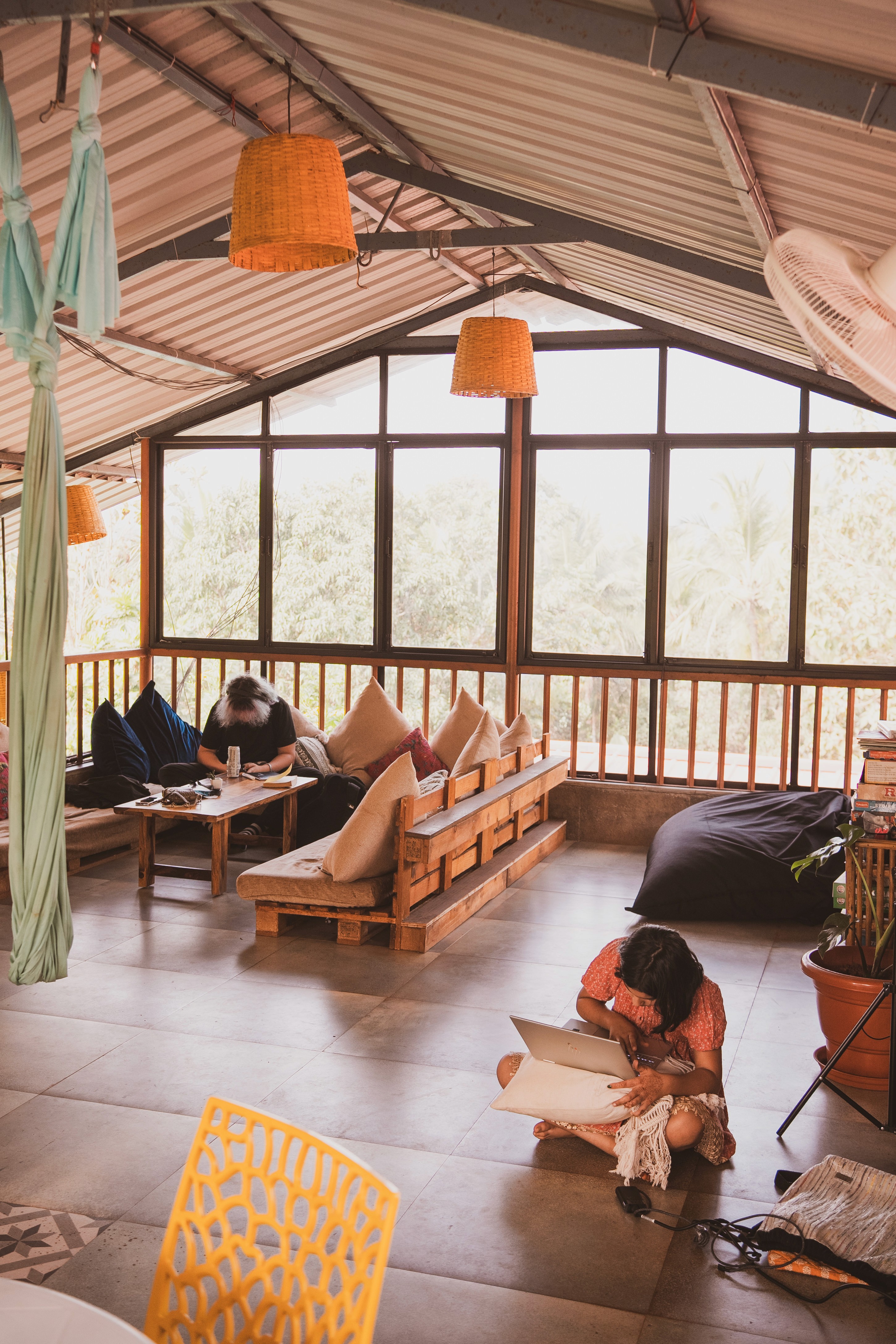
Those years shaped my philosophy. Young people grow when they are trusted. Families flourish when they feel connected. Education is most powerful when it is relevant, relational and rooted in real experiences.
I also know what it feels like to step away from the expected path. To choose something unconventional and sometimes wonder if you are the only one doing it. That understanding influences how we welcome families. There is no judgement here. No pressure to perform. Just respect for the courage it takes to design life differently.
My work outside the hub as a life and business coach and retreat host also feeds into the culture. I believe environments matter. The right setting, the right people and the right rhythm can unlock growth that feels impossible in isolation.
So when I look at the hub, I see pieces of our own journey everywhere. The emphasis on community. The blend of structure and flexibility. The importance of wellbeing. The invitation to be curious. The encouragement for both adults and young people to keep evolving.
In many ways, I built the place I wish we had found when we started.
What’s changed since you first opened, and what did you learn the hard way?
So much has evolved since we opened, and most of the growth came from listening.
In the beginning, I had a strong vision of what families might want. I imagined the kinds of workshops, rhythms and structures that would feel supportive. Some of that landed beautifully. Other parts needed adjusting once real families arrived with real lives, different energy levels, expectations and needs.
One of the biggest lessons was that flexibility is essential. Families come to us from many cultures and educational backgrounds. Some want full days of activity. Others are tired and need time to rest and reconnect. Learning how to create a framework that offers richness without pressure was something I had to refine.
I also learned how important communication is. When you are building something new, you live and breathe it, but visitors are stepping into it for the first time. We had to become clearer about what we offer, what we don’t and how families can get the most from their time here.
There were practical lessons too: underestimating logistics, overestimating how quickly systems would run smoothly, and discovering that beautiful ideas still need solid operations behind them. Building the right team and trusting people with responsibility has been one of the most important shifts.
What surprised me most was how powerful the informal moments are. The conversations over dinner, children inventing games together, parents sharing stories in the evening. Those connections often become the memories people treasure most.
The tweaks that made the biggest difference were usually small: better orientation at the start, clearer weekly rhythms, more visible points of contact for support, space for feedback and adaptation.
We are still learning. Every cohort teaches us something new, and that willingness to evolve is now part of our culture.
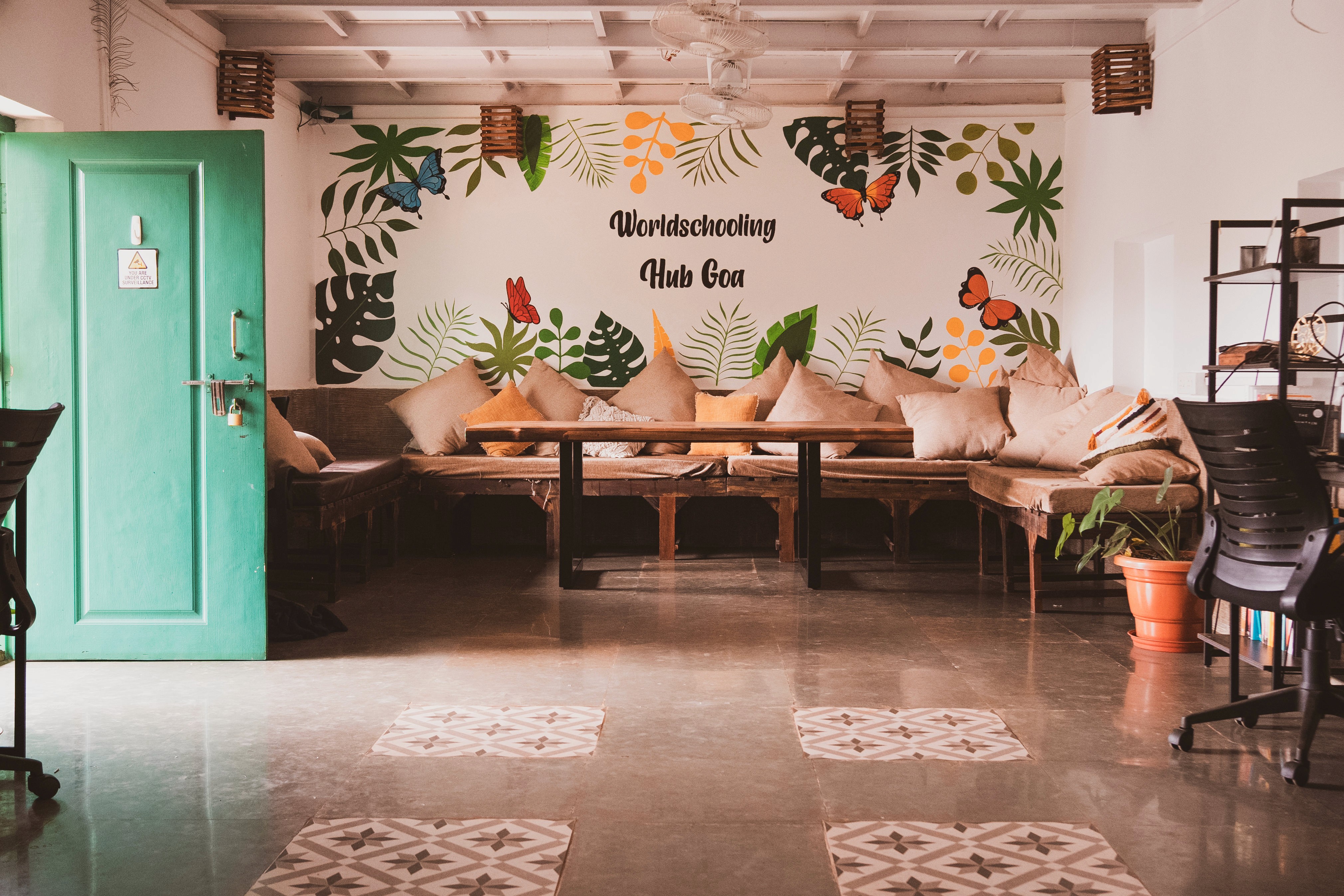
What made you decide to build where you did?
Goa has a feeling that is difficult to explain until you arrive.
There is a softness to the pace of life, a warmth in the community, and an ease that invites families to exhale. When I first spent time here, I could immediately imagine children having more freedom, parents feeling less pressure, and days unfolding with a healthier rhythm.
The landscape shapes everything. We are surrounded by trees, close to quiet beaches, and connected to villages where daily life still happens outdoors. Children see nature constantly. They move more. They notice things. Learning becomes physical and alive rather than theoretical.
The local culture plays a huge part too. There is openness, hospitality and a blending of traditions from India and around the world. Families quickly feel both welcomed and inspired. Everyday experiences such as markets, festivals, food and conversations with local people become part of the curriculum without anyone needing to label them as lessons.
What many families fall in love with is how quickly they slow down. Within days, shoulders drop. Children roam between activities. Teenagers find independence. Parents start having deeper conversations. The urgency many arrived with begins to soften.
A child here gets to experience a rare mix of safety and freedom. They might spend the morning in a workshop, the afternoon exploring outdoors, and the evening sharing meals with people they had never met a week earlier but who now feel like extended family.
There is space to try new things, to be seen and to grow without the intensity that often defines modern life.
For us, Goa offered the possibility of building a community that felt international and connected, while still being rooted in nature and human relationships. It creates the conditions for families not just to learn differently, but to live differently.
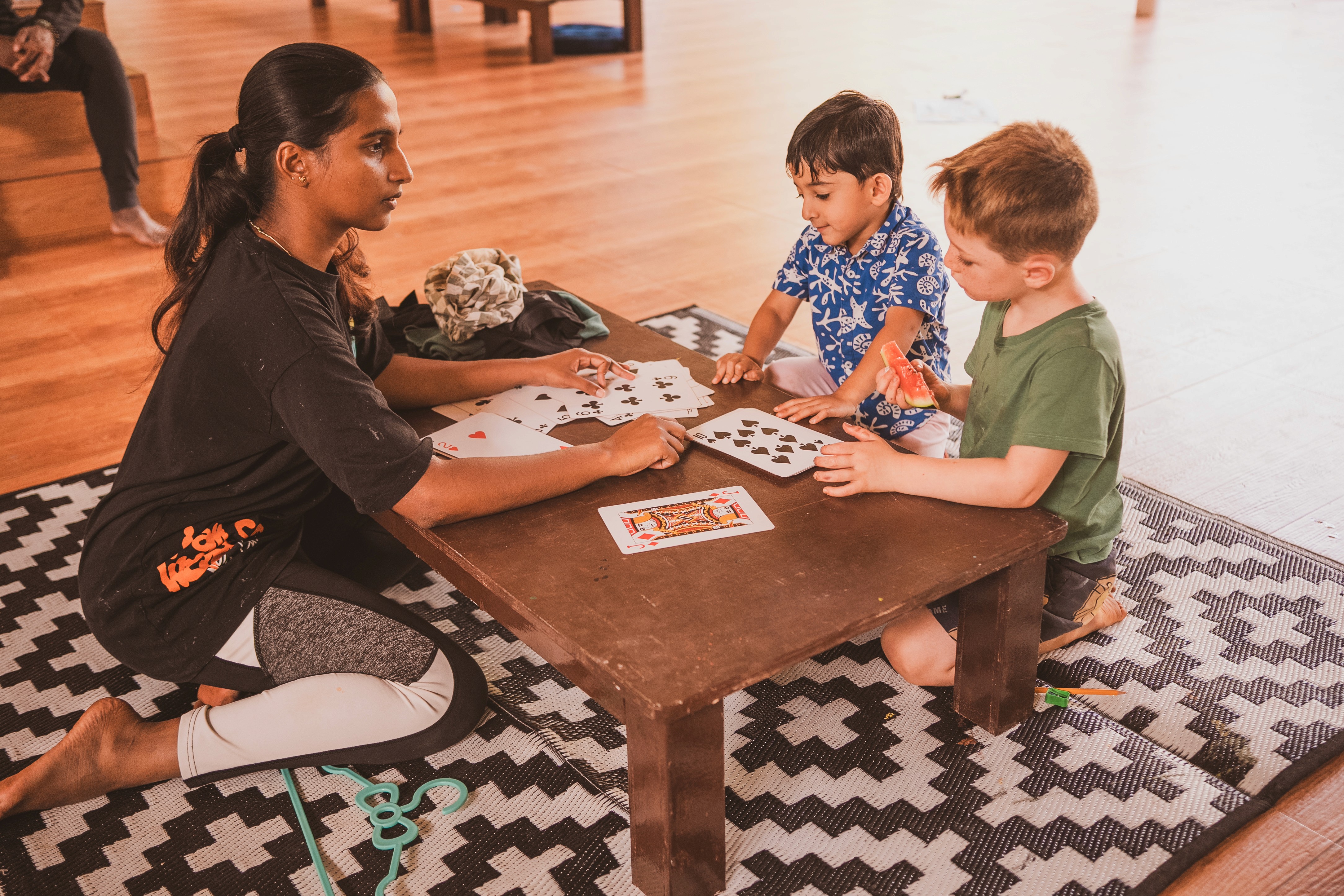
What does a typical day look like?
Our days follow a reassuring rhythm, helping families settle quickly while still allowing space for choice and flexibility.
From 8:30am to 1pm, the drop-off programme for children and the Teen Hub are in full flow.
For younger children, the environment is Waldorf-inspired in atmosphere and pace, with a strong emphasis on creativity, imagination, movement and connection to nature. At the same time, it is self-directed. There is no fixed curriculum. Instead, educators create invitations to explore through art, craft, storytelling, practical activities, group games and outdoor experiences. Children are supported to follow their interests, build confidence and develop independence within a nurturing structure.
Teens gather in their own dedicated space where mornings may include leadership work, real-world challenges, mentoring, fitness, workshops or collaborative projects. They are given responsibility and trust, with facilitators guiding rather than directing.
While the young people are engaged in their programmes, parents have time.
Some work from the co-working space. Others join adult activities or treatments. Some walk, swim, read, or simply enjoy uninterrupted conversation. Parents are not just waiting for their children. They are having their own experience of growth and restoration too.
At 1pm, families reconnect and the day opens up. Lunch becomes a meeting point where stories from the morning are shared and new plans begin to form.
Afternoons are lighter and optional. There may be sports, arts, cultural workshops or informal gatherings. Families can participate, head out exploring, or choose rest.
Once a week, the children head out on an excursion connected to local culture, environment or community life. These days bring learning into the wider world and often become highlights of the week.
Fridays are for family excursions. Everyone is invited, and these shared adventures help strengthen relationships between parents, children and the wider community.
Evenings naturally become social. Shared meals, celebrations, conversations, teenagers connecting, younger children playing freely. This is where bonds deepen and people begin to feel at home.
What makes the rhythm work is that there is always something meaningful available, with full permission to choose the level of involvement that feels right.
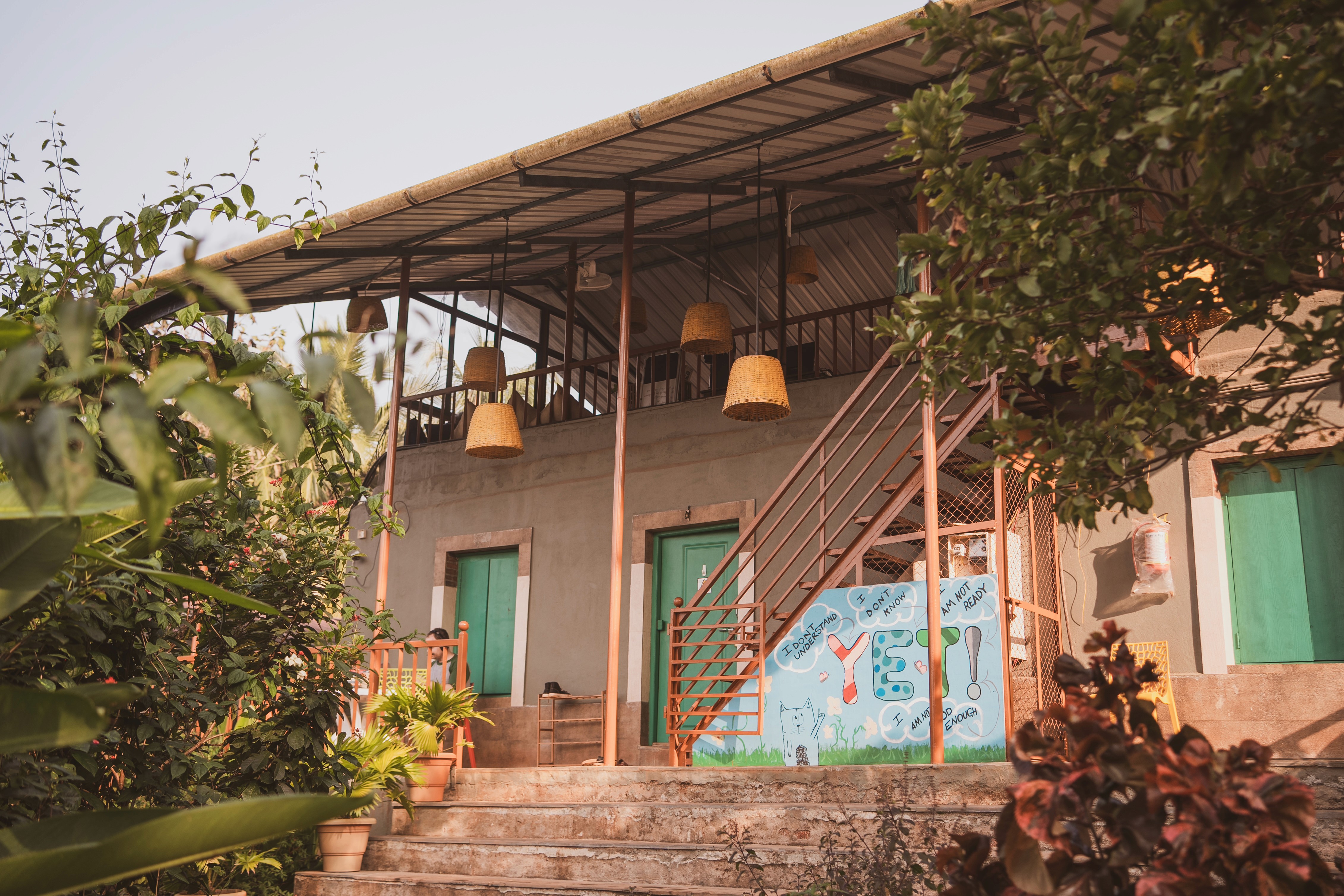
How would you describe the feel of your community to someone who’s never been?
The first thing most people notice is that they can breathe.
There is a sense of exhale that happens quite quickly. Conversations slow down. Children move more freely. Parents realise they are not holding everything on their own.
It feels warm, open and human.
We are international, but intimate. People arrive as strangers and within days are sharing meals, ideas and everyday life. There is often laughter in the background, teenagers gathered in conversation, younger children moving between spaces, and adults finding unexpected friendships.
It can feel calm and grounded in one moment, and full of energy and creativity in the next. A workshop might be happening in one area, someone making music in another, families planning an afternoon swim, others deep in discussion over coffee.
There is a village feeling. People look out for one another. Doors are open. Help is close by. At the same time, families have privacy and space when they need it.
What many people tell us is that it feels real. Not staged, not performative. Life is happening here, with all its messiness and beauty, and everyone is welcome in it.
If I had to describe it as a feeling, I would say it is the relief of finding people who understand the life you are trying to build.
Those years shaped my philosophy. Young people grow when they are trusted. Families flourish when they feel connected. Education is most powerful when it is relevant, relational and rooted in real experiences.
I also know what it feels like to step away from the expected path. To choose something unconventional and sometimes wonder if you are the only one doing it. That understanding influences how we welcome families. There is no judgement here. No pressure to perform. Just respect for the courage it takes to design life differently.
My work outside the hub as a life and business coach and retreat host also feeds into the culture. I believe environments matter. The right setting, the right people and the right rhythm can unlock growth that feels impossible in isolation.
So when I look at the hub, I see pieces of our own journey everywhere. The emphasis on community. The blend of structure and flexibility. The importance of wellbeing. The invitation to be curious. The encouragement for both adults and young people to keep evolving.
In many ways, I built the place I wish we had found when we started.
What’s changed since you first opened, and what did you learn the hard way?
So much has evolved since we opened, and most of the growth came from listening.
In the beginning, I had a strong vision of what families might want. I imagined the kinds of workshops, rhythms and structures that would feel supportive. Some of that landed beautifully. Other parts needed adjusting once real families arrived with real lives, different energy levels, expectations and needs.
One of the biggest lessons was that flexibility is essential. Families come to us from many cultures and educational backgrounds. Some want full days of activity. Others are tired and need time to rest and reconnect. Learning how to create a framework that offers richness without pressure was something I had to refine.
I also learned how important communication is. When you are building something new, you live and breathe it, but visitors are stepping into it for the first time. We had to become clearer about what we offer, what we don’t and how families can get the most from their time here.
There were practical lessons too: underestimating logistics, overestimating how quickly systems would run smoothly, and discovering that beautiful ideas still need solid operations behind them. Building the right team and trusting people with responsibility has been one of the most important shifts.
What surprised me most was how powerful the informal moments are. The conversations over dinner, children inventing games together, parents sharing stories in the evening. Those connections often become the memories people treasure most.
The tweaks that made the biggest difference were usually small: better orientation at the start, clearer weekly rhythms, more visible points of contact for support, space for feedback and adaptation.
We are still learning. Every cohort teaches us something new, and that willingness to evolve is now part of our culture.
What made you decide to build where you did?
Goa has a feeling that is difficult to explain until you arrive.
There is a softness to the pace of life, a warmth in the community, and an ease that invites families to exhale. When I first spent time here, I could immediately imagine children having more freedom, parents feeling less pressure, and days unfolding with a healthier rhythm.
The landscape shapes everything. We are surrounded by trees, close to quiet beaches, and connected to villages where daily life still happens outdoors. Children see nature constantly. They move more. They notice things. Learning becomes physical and alive rather than theoretical.
The local culture plays a huge part too. There is openness, hospitality and a blending of traditions from India and around the world. Families quickly feel both welcomed and inspired. Everyday experiences such as markets, festivals, food and conversations with local people become part of the curriculum without anyone needing to label them as lessons.
What many families fall in love with is how quickly they slow down. Within days, shoulders drop. Children roam between activities. Teenagers find independence. Parents start having deeper conversations. The urgency many arrived with begins to soften.
A child here gets to experience a rare mix of safety and freedom. They might spend the morning in a workshop, the afternoon exploring outdoors, and the evening sharing meals with people they had never met a week earlier but who now feel like extended family.
There is space to try new things, to be seen and to grow without the intensity that often defines modern life.
For us, Goa offered the possibility of building a community that felt international and connected, while still being rooted in nature and human relationships. It creates the conditions for families not just to learn differently, but to live differently.
What does a typical day look like?
Our days follow a reassuring rhythm, helping families settle quickly while still allowing space for choice and flexibility.
From 8:30am to 1pm, the drop-off programme for children and the Teen Hub are in full flow.
For younger children, the environment is Waldorf-inspired in atmosphere and pace, with a strong emphasis on creativity, imagination, movement and connection to nature. At the same time, it is self-directed. There is no fixed curriculum. Instead, educators create invitations to explore through art, craft, storytelling, practical activities, group games and outdoor experiences. Children are supported to follow their interests, build confidence and develop independence within a nurturing structure.
Teens gather in their own dedicated space where mornings may include leadership work, real-world challenges, mentoring, fitness, workshops or collaborative projects. They are given responsibility and trust, with facilitators guiding rather than directing.
While the young people are engaged in their programmes, parents have time.
Some work from the co-working space. Others join adult activities or treatments. Some walk, swim, read, or simply enjoy uninterrupted conversation. Parents are not just waiting for their children. They are having their own experience of growth and restoration too.
At 1pm, families reconnect and the day opens up. Lunch becomes a meeting point where stories from the morning are shared and new plans begin to form.
Afternoons are lighter and optional. There may be sports, arts, cultural workshops or informal gatherings. Families can participate, head out exploring, or choose rest.
Once a week, the children head out on an excursion connected to local culture, environment or community life. These days bring learning into the wider world and often become highlights of the week.
Fridays are for family excursions. Everyone is invited, and these shared adventures help strengthen relationships between parents, children and the wider community.
Evenings naturally become social. Shared meals, celebrations, conversations, teenagers connecting, younger children playing freely. This is where bonds deepen and people begin to feel at home.
What makes the rhythm work is that there is always something meaningful available, with full permission to choose the level of involvement that feels right.
How would you describe the feel of your community to someone who’s never been?
The first thing most people notice is that they can breathe.
There is a sense of exhale that happens quite quickly. Conversations slow down. Children move more freely. Parents realise they are not holding everything on their own.
It feels warm, open and human.
We are international, but intimate. People arrive as strangers and within days are sharing meals, ideas and everyday life. There is often laughter in the background, teenagers gathered in conversation, younger children moving between spaces, and adults finding unexpected friendships.
It can feel calm and grounded in one moment, and full of energy and creativity in the next. A workshop might be happening in one area, someone making music in another, families planning an afternoon swim, others deep in discussion over coffee.
There is a village feeling. People look out for one another. Doors are open. Help is close by. At the same time, families have privacy and space when they need it.
What many people tell us is that it feels real. Not staged, not performative. Life is happening here, with all its messiness and beauty, and everyone is welcome in it.
If I had to describe it as a feeling, I would say it is the relief of finding people who understand the life you are trying to build.
What do you believe children need most, and how does your community create space for that?
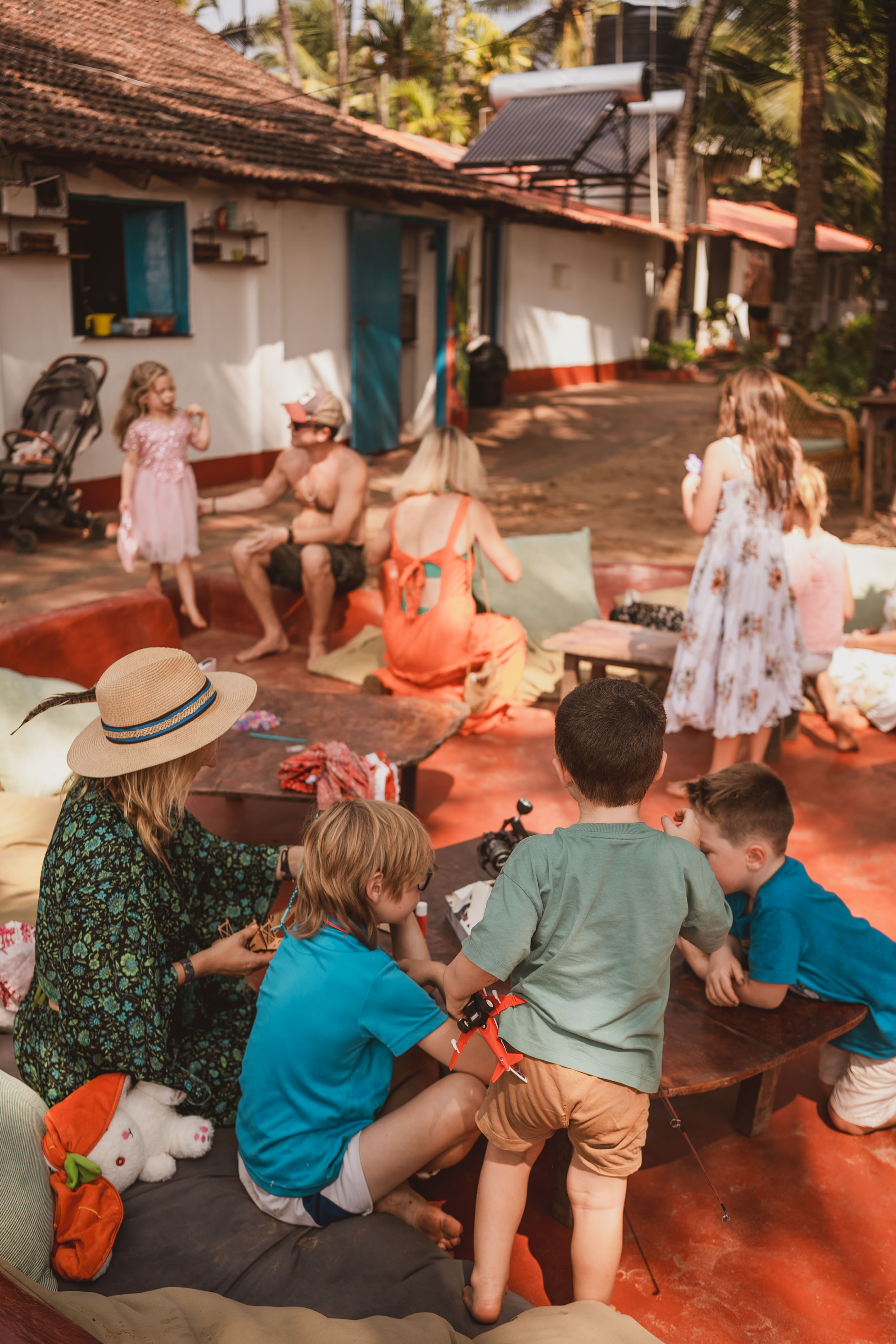
At the heart of it, I believe children need to feel safe, seen, regulated and trusted.
When young people feel emotionally secure, when their nervous systems are calm enough to engage with the world, and when they know the adults around them genuinely believe in their capability, something shifts. Curiosity opens. Confidence grows. They become more willing to try, to speak, to lead and to stretch themselves.
Belonging is essential. Children thrive when they are part of a group where they matter, where friendships can deepen over time, and where different ages mix naturally. Being known by a community creates the stability that allows healthy risk-taking and independence.
What do you believe children need most, and how does your community create space for that?
At the heart of it, I believe children need to feel safe, seen, regulated and trusted.
When young people feel emotionally secure, when their nervous systems are calm enough to engage with the world, and when they know the adults around them genuinely believe in their capability, something shifts. Curiosity opens. Confidence grows. They become more willing to try, to speak, to lead and to stretch themselves.
Belonging is essential. Children thrive when they are part of a group where they matter, where friendships can deepen over time, and where different ages mix naturally. Being known by a community creates the stability that allows healthy risk-taking and independence.
They need freedom, but not the kind that leaves them adrift. They need structured openness. Invitations rather than instructions. Supportive adults nearby, inspiring options in front of them, and the dignity of making real choices.
Regulation plays a huge role in this. Modern children are often overstimulated and rushed. Here, the pace is different. There is time outdoors, time to move, time for creativity and time for conversation. The nervous system has space to settle. From that place, learning becomes deeper and more natural.
They also need models of adulthood that feel expansive. When children see parents learning, working, resting, creating and connecting, they absorb a wider picture of what life can look like.
So we design for all of this intentionally.
We create rhythms that help children feel secure. We build environments that invite exploration. We train facilitators to guide without controlling. We allow space for boredom, because that is often where imagination begins. We prioritise relationships over rigid outcomes.
What we see, again and again, is that when children feel regulated, connected and trusted, they naturally move toward growth.
What moments make you think, "This is why we do this"?
There are many, but the ones that stay with me most often involve children who arrive carrying the weight of a difficult experience with education.
Sometimes they come feeling cautious, unsure of adults, convinced they are “behind” or not good at learning. You can feel the hesitation. The self-protection. The stories they have already started to believe about themselves.
Then, slowly, something changes.
You see them join a game. Ask a question. Offer an idea. Laugh. Stay a little longer. Take a risk. Make a friend. Volunteer to try something new.
And one day you realise they are running towards activities instead of away from them.
They are proud of what they have made. They are explaining things confidently to others. They are waking up with energy for the day. They are curious again.
Watching a young person fall back in love with learning, and maybe even with themselves, is incredibly powerful.
Those moments happen in big ways and small ones. A teenager leading an activity for younger children. Someone who said they hated reading getting lost in a book. A quiet child suddenly surrounded by friends. Parents telling us they feel like they have their child back.
It is in those glimpses of possibility, when a family can see a different future opening up, that I often pause and think: this is why we do this.
They carry us through the hard work, the long days, and the endless logistics. Because you can see, right in front of you, how much it matters.
They need freedom, but not the kind that leaves them adrift. They need structured openness. Invitations rather than instructions. Supportive adults nearby, inspiring options in front of them, and the dignity of making real choices.
Regulation plays a huge role in this. Modern children are often overstimulated and rushed. Here, the pace is different. There is time outdoors, time to move, time for creativity and time for conversation. The nervous system has space to settle. From that place, learning becomes deeper and more natural.
They also need models of adulthood that feel expansive. When children see parents learning, working, resting, creating and connecting, they absorb a wider picture of what life can look like.
So we design for all of this intentionally.
We create rhythms that help children feel secure. We build environments that invite exploration. We train facilitators to guide without controlling. We allow space for boredom, because that is often where imagination begins. We prioritise relationships over rigid outcomes.
What we see, again and again, is that when children feel regulated, connected and trusted, they naturally move toward growth.
What moments make you think, "This is why we do this"?
There are many, but the ones that stay with me most often involve children who arrive carrying the weight of a difficult experience with education.
Sometimes they come feeling cautious, unsure of adults, convinced they are “behind” or not good at learning. You can feel the hesitation. The self-protection. The stories they have already started to believe about themselves.
Then, slowly, something changes.
You see them join a game. Ask a question. Offer an idea. Laugh. Stay a little longer. Take a risk. Make a friend. Volunteer to try something new.
And one day you realise they are running towards activities instead of away from them.
They are proud of what they have made. They are explaining things confidently to others. They are waking up with energy for the day. They are curious again.
Watching a young person fall back in love with learning, and maybe even with themselves, is incredibly powerful.
Those moments happen in big ways and small ones. A teenager leading an activity for younger children. Someone who said they hated reading getting lost in a book. A quiet child suddenly surrounded by friends. Parents telling us they feel like they have their child back.
It is in those glimpses of possibility, when a family can see a different future opening up, that I often pause and think: this is why we do this.
They carry us through the hard work, the long days, and the endless logistics. Because you can see, right in front of you, how much it matters.
What happens behind the scenes that most families don’t realise?
A huge amount of care, planning and coordination sits quietly underneath what families experience each day.
For something to feel relaxed and natural on the surface, a lot has to be happening in the background. Schedules are being adjusted, facilitators are preparing, transport is being organised, supplies are being sourced, safety is being checked, and the team is constantly communicating with one another.
We spend many hours thinking about rhythm. Who might need extra support this week. Which children are forming friendships and who might need help finding their place. What energy is moving through the group. How we can create the right balance between stimulation and rest.
What happens behind the scenes that most families don’t realise?
A huge amount of care, planning and coordination sits quietly underneath what families experience each day.
For something to feel relaxed and natural on the surface, a lot has to be happening in the background. Schedules are being adjusted, facilitators are preparing, transport is being organised, supplies are being sourced, safety is being checked, and the team is constantly communicating with one another.
We spend many hours thinking about rhythm. Who might need extra support this week. Which children are forming friendships and who might need help finding their place. What energy is moving through the group. How we can create the right balance between stimulation and rest.
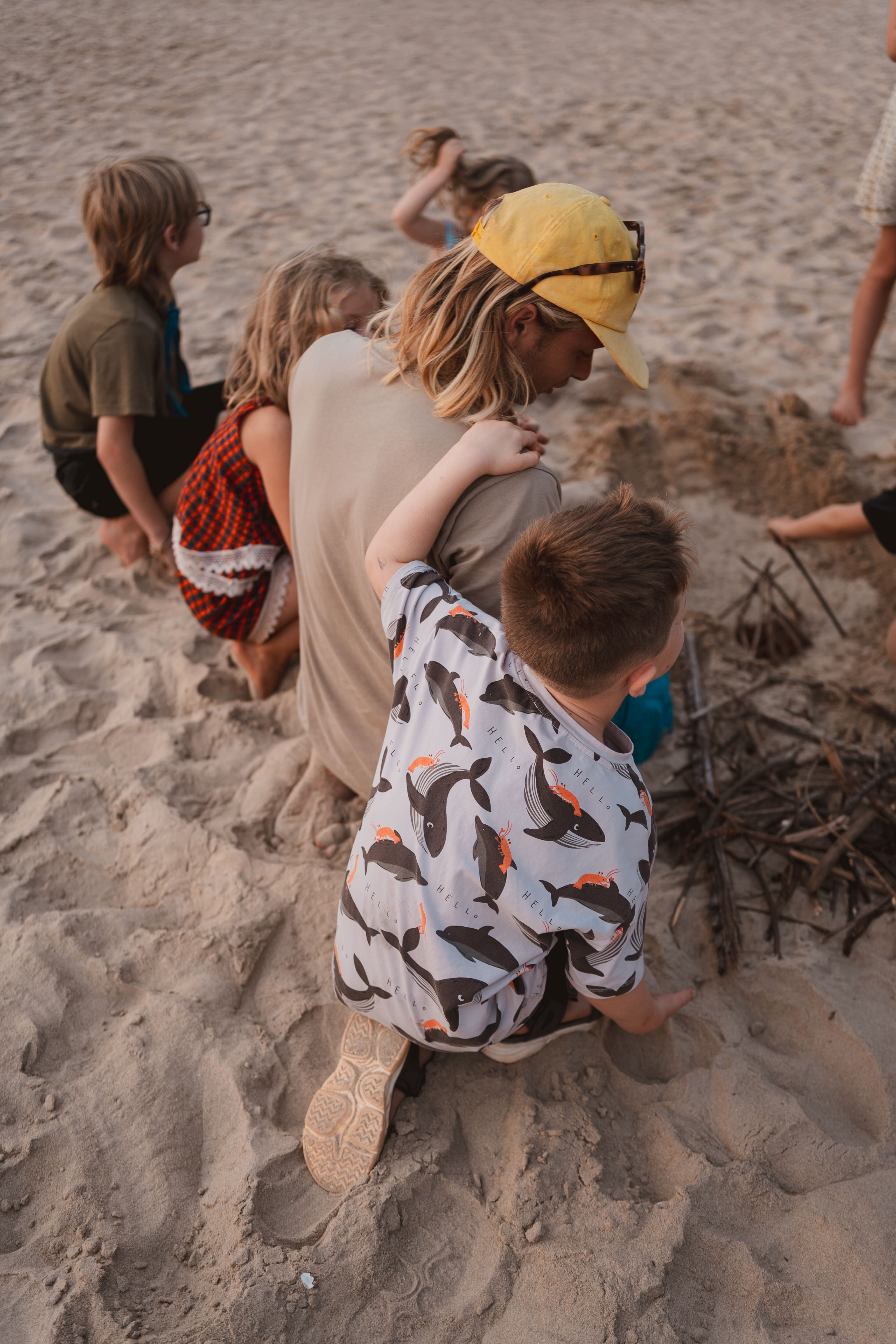
There is also a lot of relationship-building beyond the hub. Partnerships with local providers, cultural organisations, activity leaders and services take time and trust. These connections are what allow excursions, workshops and experiences to unfold smoothly.
Our facilitators put in quiet preparation too. Sessions might look spontaneous, but they are often thoughtfully designed. Materials are gathered. Spaces are set. Contingency plans are made. People reflect together on what is working and what could be improved.
And then there is the emotional labour: welcoming families who may be tired, uncertain or carrying big transitions; holding space for different expectations; supporting conversations; making sure everyone feels noticed.
Most of this is invisible, and that is often a sign it is working well.
When families tell us the experience feels easy, warm and flowing, it usually means a lot of people have worked very hard behind the scenes to make it that way.
What are your hopes for the future of your community?
As we look ahead, our intention is to become both more focused and more far-reaching at the same time.
In 2027, we will be reducing the number of in-person cohorts we run each year, with one main gathering at the hub. This allows us to protect what makes the experience special: the intimacy, the relationships, the depth of connection, and the care that goes into every family’s journey. Staying intentional about size means we can maintain the atmosphere people fall in love with.
At the same time, we know that far more families are looking for this than we can physically host in one place.
So part of our future is about accessibility. We will be bringing elements of what we have created into online spaces, allowing families around the world to benefit from our philosophy, our rhythms and our approach to learning and community, even if they cannot travel to Goa.
We are also excited about the possibility of occasional pop-up gatherings in different parts of the world: temporary chapters where our community can meet, reconnect and grow in new environments while keeping the spirit of what we built here.
In one year, I hope we feel clearer, more sustainable, and still deeply personal.
In five years, I hope we have supported thousands of families, both in person and remotely, to feel more confident designing lives that work for them. I hope our young people remain connected to one another across countries and stages of life. And I hope we are still guided by the same values we started with: trust, courage, curiosity and belonging.
What’s one thing you wish you’d known when you started?
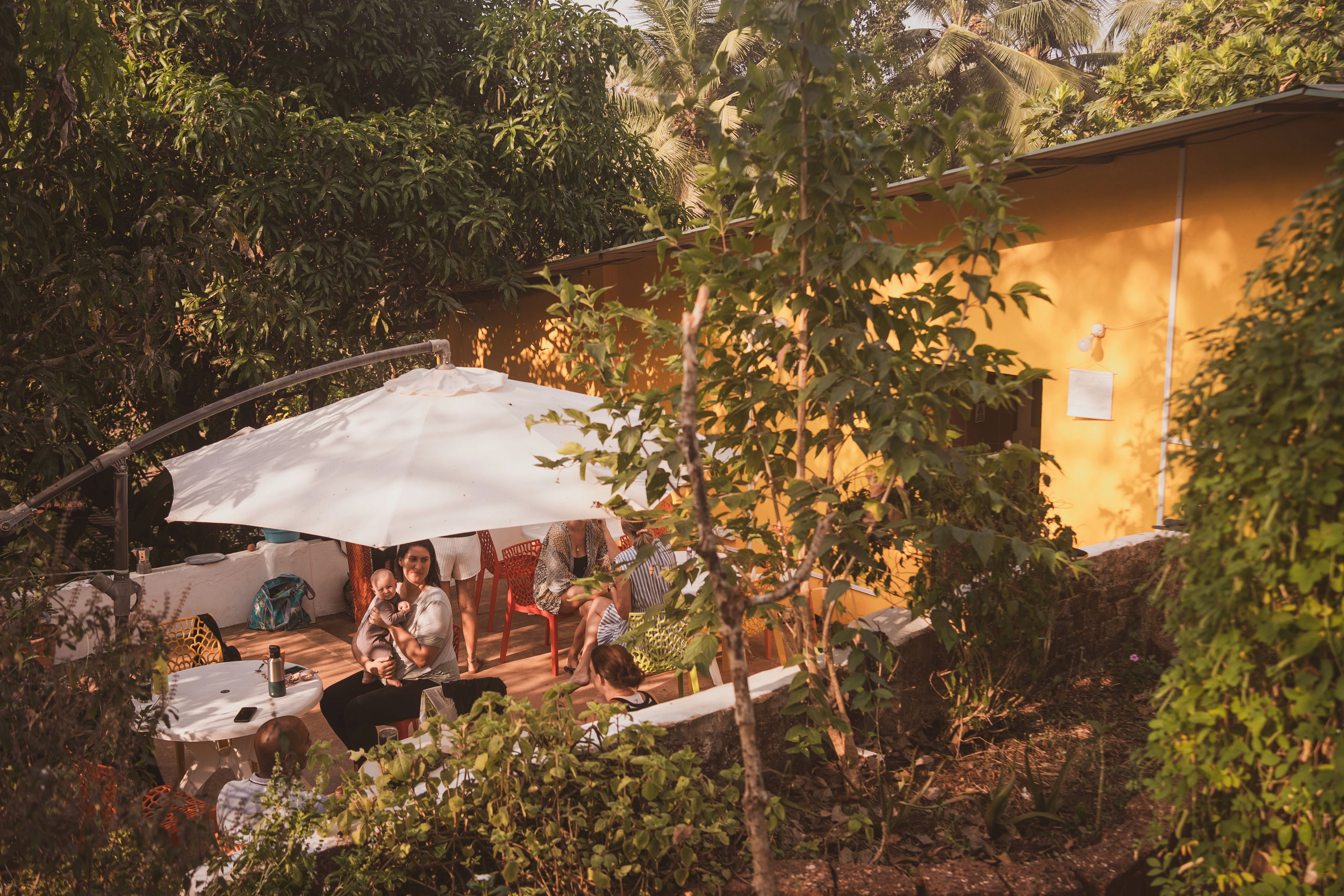
I wish I had understood just how much community-building is about people rather than programmes.
When I began, I spent a lot of energy thinking about schedules, workshops, structures and logistics. Those things matter, of course, but what truly shapes the experience is how people feel: whether they feel welcomed, seen, supported and able to be themselves.
I’ve learned that relationships are the real infrastructure.
If trust is strong, many other things can flex. If people feel safe, they are more patient when something changes, more open to new ideas, and more willing to contribute. Without that foundation, even the most beautiful plan can fall flat.
I also wish I had known that it takes time. Deeper than you expect. Community cannot be rushed. It forms in small moments, repeated again and again: shared meals, conversations, misunderstandings worked through, laughter, ordinary days lived side by side.
And perhaps most importantly, I would tell my past self that you do not have to have everything figured out to begin. You learn by hosting. You learn by listening. Each cohort teaches you what is needed next.
The work is demanding, but when you see friendships forming, confidence growing, and families realising they are not alone, you understand that the effort is worth it.
There is also a lot of relationship-building beyond the hub. Partnerships with local providers, cultural organisations, activity leaders and services take time and trust. These connections are what allow excursions, workshops and experiences to unfold smoothly.
Our facilitators put in quiet preparation too. Sessions might look spontaneous, but they are often thoughtfully designed. Materials are gathered. Spaces are set. Contingency plans are made. People reflect together on what is working and what could be improved.
And then there is the emotional labour: welcoming families who may be tired, uncertain or carrying big transitions; holding space for different expectations; supporting conversations; making sure everyone feels noticed.
Most of this is invisible, and that is often a sign it is working well.
When families tell us the experience feels easy, warm and flowing, it usually means a lot of people have worked very hard behind the scenes to make it that way.
What are your hopes for the future of your community?
As we look ahead, our intention is to become both more focused and more far-reaching at the same time.
In 2027, we will be reducing the number of in-person cohorts we run each year, with one main gathering at the hub. This allows us to protect what makes the experience special: the intimacy, the relationships, the depth of connection, and the care that goes into every family’s journey. Staying intentional about size means we can maintain the atmosphere people fall in love with.
At the same time, we know that far more families are looking for this than we can physically host in one place.
So part of our future is about accessibility. We will be bringing elements of what we have created into online spaces, allowing families around the world to benefit from our philosophy, our rhythms and our approach to learning and community, even if they cannot travel to Goa.
We are also excited about the possibility of occasional pop-up gatherings in different parts of the world: temporary chapters where our community can meet, reconnect and grow in new environments while keeping the spirit of what we built here.
In one year, I hope we feel clearer, more sustainable, and still deeply personal.
In five years, I hope we have supported thousands of families, both in person and remotely, to feel more confident designing lives that work for them. I hope our young people remain connected to one another across countries and stages of life. And I hope we are still guided by the same values we started with: trust, courage, curiosity and belonging.
What’s one thing you wish you’d known when you started?
I wish I had understood just how much community-building is about people rather than programmes.
When I began, I spent a lot of energy thinking about schedules, workshops, structures and logistics. Those things matter, of course, but what truly shapes the experience is how people feel: whether they feel welcomed, seen, supported and able to be themselves.
I’ve learned that relationships are the real infrastructure.
If trust is strong, many other things can flex. If people feel safe, they are more patient when something changes, more open to new ideas, and more willing to contribute. Without that foundation, even the most beautiful plan can fall flat.
I also wish I had known that it takes time. Deeper than you expect. Community cannot be rushed. It forms in small moments, repeated again and again: shared meals, conversations, misunderstandings worked through, laughter, ordinary days lived side by side.
And perhaps most importantly, I would tell my past self that you do not have to have everything figured out to begin. You learn by hosting. You learn by listening. Each cohort teaches you what is needed next.
The work is demanding, but when you see friendships forming, confidence growing, and families realising they are not alone, you understand that the effort is worth it.
Where do you see the worldschooling movement heading next?
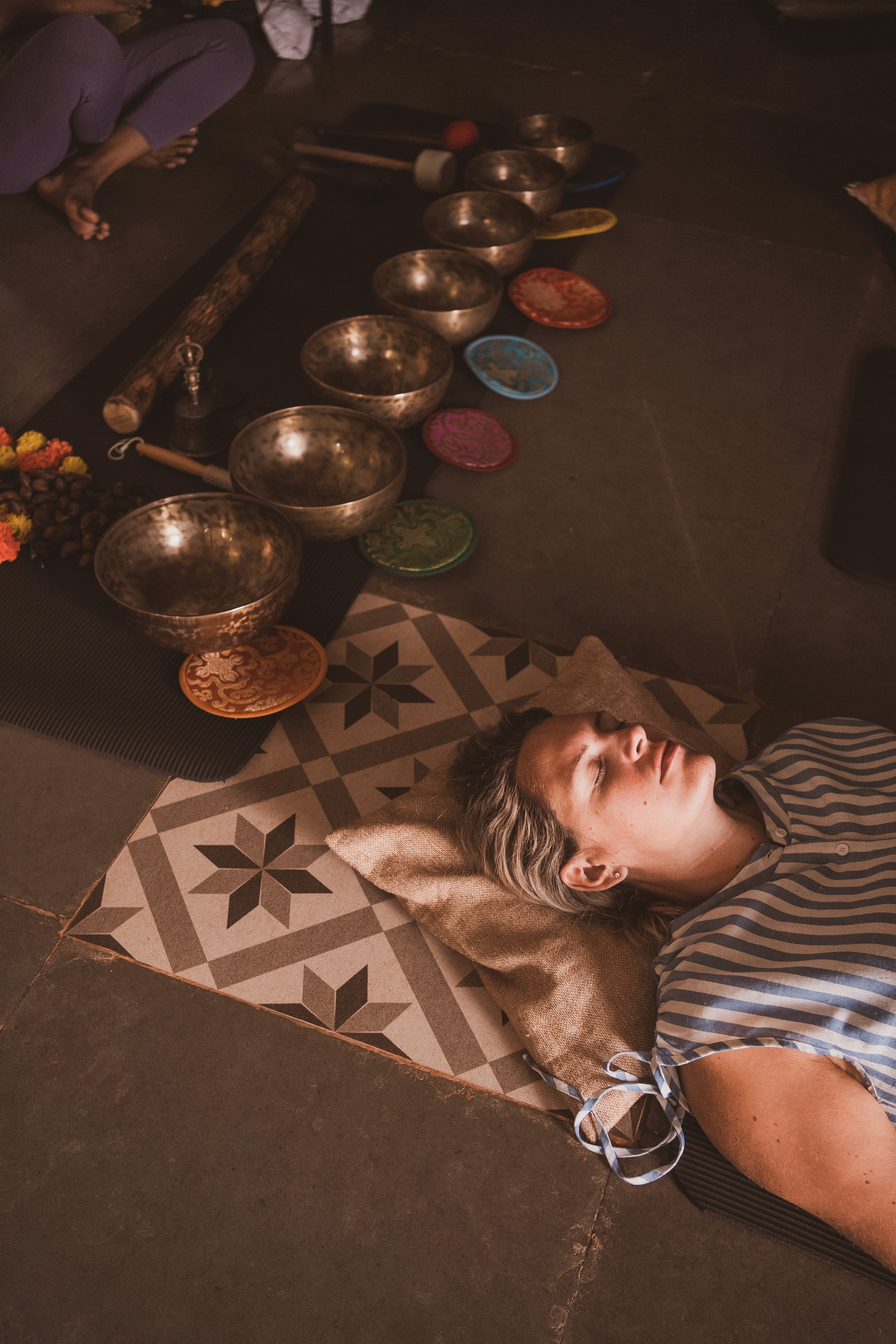
I think we are moving from the edges towards something much more visible and understood.
For a long time, worldschooling felt unusual or niche. Families often had to explain themselves, justify their choices, or piece together support systems on their own. What I see now is growing confidence. More parents are questioning traditional structures and asking what kind of life and learning environment will truly prepare their children for a changing world.
Technology has made remote work and flexible living more possible. Communities are forming more easily across borders. Families are realising they are not alone in wanting something different.
Where do you see the worldschooling movement heading next?
I think we are moving from the edges towards something much more visible and understood.
For a long time, worldschooling felt unusual or niche. Families often had to explain themselves, justify their choices, or piece together support systems on their own. What I see now is growing confidence. More parents are questioning traditional structures and asking what kind of life and learning environment will truly prepare their children for a changing world.
Technology has made remote work and flexible living more possible. Communities are forming more easily across borders. Families are realising they are not alone in wanting something different.
At the same time, I think the movement is maturing.
In the early days, freedom itself was the focus. Now many families are asking deeper questions. How do we create stability while travelling? How do children build lasting friendships? What skills will they genuinely need for adulthood? How do we balance independence with guidance?
I believe the next stage will be about integration. Blending flexibility with rhythm. Adventure with continuity. Self-direction with mentorship. Global exposure with strong community roots.
What still feels missing in many places is sustained support for parents. Designing an unconventional life is inspiring, but it can also be demanding. Families need spaces where they are held, encouraged and understood, not just inspired.
My hope for the coming years is that alternative ways of living and learning become less of a statement and more of a normal, respected option. I would love to see young people move between different models of education and community throughout their lives, choosing what fits them at each stage.
Ultimately, I think the heart of the movement will remain the same. Families wanting to be closer to one another. Children learning through real experiences. Communities forming across cultures.
But I believe we will get better at building the structures that make that freedom sustainable.
At the same time, I think the movement is maturing.
In the early days, freedom itself was the focus. Now many families are asking deeper questions. How do we create stability while travelling? How do children build lasting friendships? What skills will they genuinely need for adulthood? How do we balance independence with guidance?
I believe the next stage will be about integration. Blending flexibility with rhythm. Adventure with continuity. Self-direction with mentorship. Global exposure with strong community roots.
What still feels missing in many places is sustained support for parents. Designing an unconventional life is inspiring, but it can also be demanding. Families need spaces where they are held, encouraged and understood, not just inspired.
My hope for the coming years is that alternative ways of living and learning become less of a statement and more of a normal, respected option. I would love to see young people move between different models of education and community throughout their lives, choosing what fits them at each stage.
Ultimately, I think the heart of the movement will remain the same. Families wanting to be closer to one another. Children learning through real experiences. Communities forming across cultures.
But I believe we will get better at building the structures that make that freedom sustainable.
Finally, what would you say to a family who wants this life, but hasn’t taken the leap yet?
I would say that it is completely normal to feel both excited and afraid.
Choosing a different path can feel big. There are practical questions, financial considerations, education worries, family opinions. It can seem easier to wait until everything feels certain.
But in my experience, clarity rarely comes before action. It usually follows it.
You do not need to redesign your whole future overnight. You can start with a season, a conversation, a small experiment. Spend time with families who are already living differently. Ask questions. Let yourself imagine possibilities without committing to them immediately.
The mindset shift that helps most is moving from “What if it goes wrong?” to “What might become possible if it goes right?”
Children are often far more adaptable than we think. Parents are more capable than they give themselves credit for.
You are allowed to build a life that fits your values. You are allowed to want more time together, more freedom, more connection.
Start smaller than you think you need to. Momentum builds from there.
Finally, what would you say to a family who wants this life, but hasn’t taken the leap yet?
I would say that it is completely normal to feel both excited and afraid.
Choosing a different path can feel big. There are practical questions, financial considerations, education worries, family opinions. It can seem easier to wait until everything feels certain.
But in my experience, clarity rarely comes before action. It usually follows it.
You do not need to redesign your whole future overnight. You can start with a season, a conversation, a small experiment. Spend time with families who are already living differently. Ask questions. Let yourself imagine possibilities without committing to them immediately.
The mindset shift that helps most is moving from “What if it goes wrong?” to “What might become possible if it goes right?”
Children are often far more adaptable than we think. Parents are more capable than they give themselves credit for.
You are allowed to build a life that fits your values. You are allowed to want more time together, more freedom, more connection.
Start smaller than you think you need to. Momentum builds from there.
Worldschooling Hub Goa is built around what matters most: relationships, rhythm and a community that holds families as they learn and live differently. If you’d like to stay close to what they’re building, start at worldschoolinghubgoa.com, and you’ll also find them on Instagram, in their Facebook group, and on LinkedIn.
Worldschooling Hub Goa is built around what matters most: relationships, rhythm and a community that holds families as they learn and live differently. If you’d like to stay close to what they’re building, start at worldschoolinghubgoa.com, and you’ll also find them on Instagram, in their Facebook group, and on LinkedIn.
Read more stories like this
Read more stories like this
If you enjoyed this, we can email you a link to each one we publish, as they happen!
If you enjoyed this, we can email you a link to each one we publish, as they happen!
(Don’t worry, you can unsubscribe from them anytime)
(Don’t worry, you can unsubscribe from them anytime)